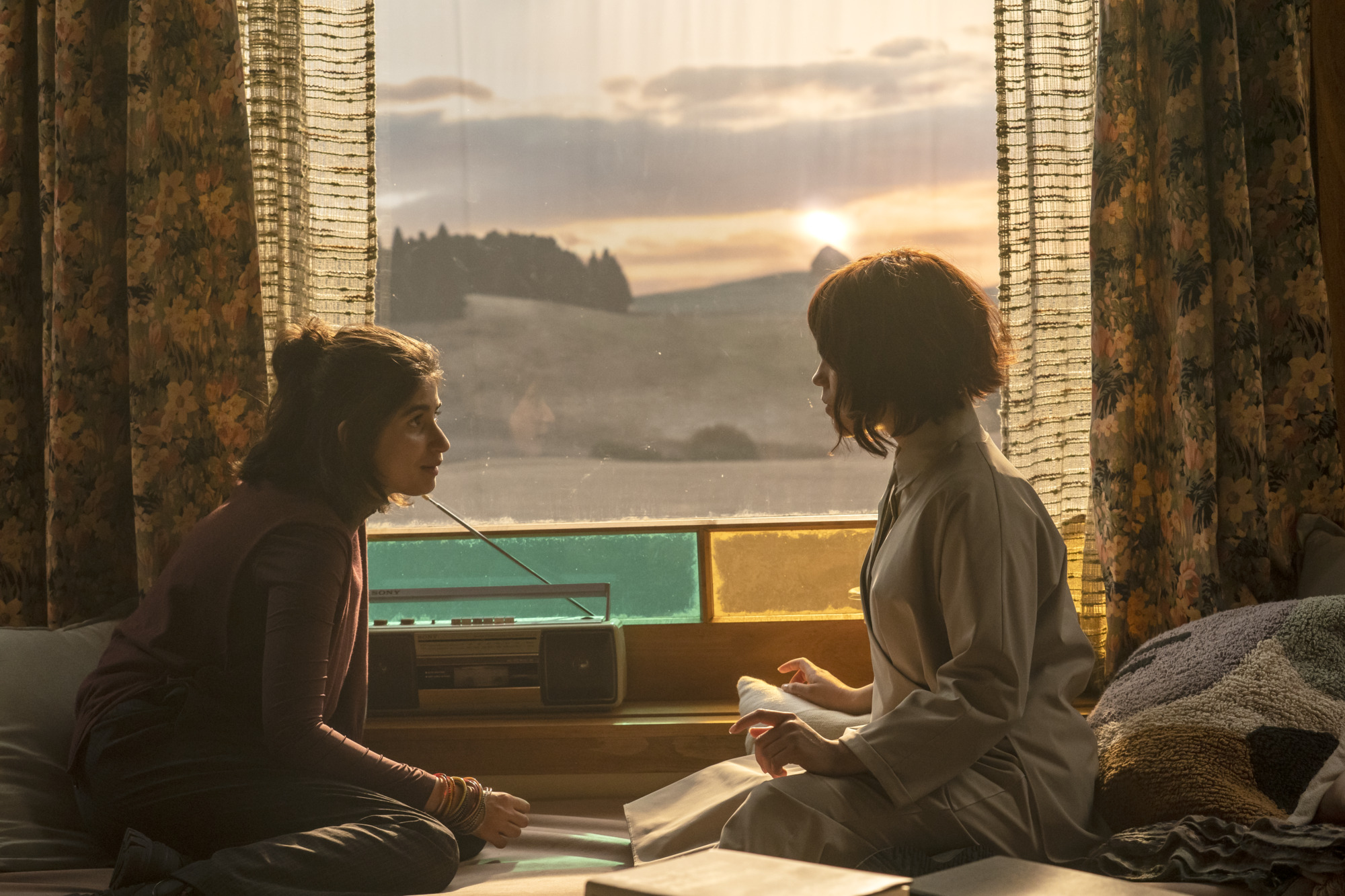
Klara and the Sun is a beautiful, feel-good feature that we could all use right about now. Normally, when we hear about AI, it’s coupled with damage from data centers, the harm it’s causing children, or how tech bros have lost control of their chatbots. This film follows how a robot built for friendship handles its new owner and navigates the chaos in its new environment.
Directed by Taika Waititi, an outdated robot named Klara (Jenna Ortega) is on her last chance to find a friend before she gets shipped off for parts. After a young Josie (Mia Tharia) takes interest, her mother, Chrissy (Amy Adams), begrudgingly allows the robot home but wants nothing to do with it. Klara’s quirky behavior is frowned upon inside the house, giving the bot a much-needed reality check about the severity of the mother-daughter relationship that’s on its last leg.
There are a lot of contrasting emotions in the film, which may come as a surprise since I described it as a “feel-good” film. Artificial life clashes with human life; love conflicts with loss; and that’s even before we get to loneliness, friendship, and grief. But one thing that never wavers throughout the film is Klara’s dedication to the sun.

Klara treated the sun like a deity. The light registered on her arm by way of an illuminating icon, and its rays brought her happiness. When she was moved from the back of the Friend Store (where units like her are purchased) to the front, she saw the sunlight reflect differently on people who appeared in love. Whenever she saw the sun, she would talk to it, even sharing her thoughts on its powers with whoever would listen.
The manager of the store, who literally went by “Store Manager” (Natasha Lyonne), saw the store would inevitably fail thanks to the new store across the street with the latest line of friend bots. The B1, Klara’s line, was outdated and therefore considered “old”. Knowing this gave her even more incentive to sell, but that responsibility came on the bots themselves. Acting like mannequins in a storefront, the aim is for them to look appealing to potential buyers. Unfortunately for Klara, she’s cast off as odd (often stands on one leg, talks to the sun) and has little chance of finding a friend. But things change when Josie comes along, acting equally as “odd” and immediately forming a connection. She made it clear to her mother that no other robot would do.
Designed to prevent loneliness, Klara’s only job is to make Josie happy. But once she arrives at Josie’s house, she discovers a dysfunctional family dynamic riddled with unaddressed issues. Between keeping Josie happy, her mother at bay, and eliminating anything that hinders her view of the sun, she has her hands full juggling a laundry list of emotions.

As I’ve stated many times, I’m no fan of books being adapted for the big screen (even with the few exceptions that exist). There are simply too many creative film ideas out there for them to be pushed aside for books. Although purists and fans of the book have wasted no time trashing the film, it’s a lot better than most films in theaters right now. It’s bold, emotional, and the entire cast is excellent. Steve Buscemi, Bronwyn Bradley, Harry Greenwood, Jesse Griffin, and a host of others run the emotional gamut and put on poignant performances.
Klara and the Sun gets an 8.5 out of 10. The attacks on the film and Waititi are unjust and ridiculous. It’s an AI feel-good flick that’ll make you feel warm on the inside, but in a more practical way than most. No love or happiness will be perfect, but even with the setbacks, it’s still worth having. Klara and the Sun lets you know that whatever happens to you today, joy awaits you in the morning.
Klara and the Sun premieres in theaters on Friday, Oct. 23.
-Jon Jones
Genre: Drama/Sci-Fi
Rating: PG-13
Runtime: 1 hr 56 mins
Trailer: Watch
U.S. Release Date: October 23, 2026